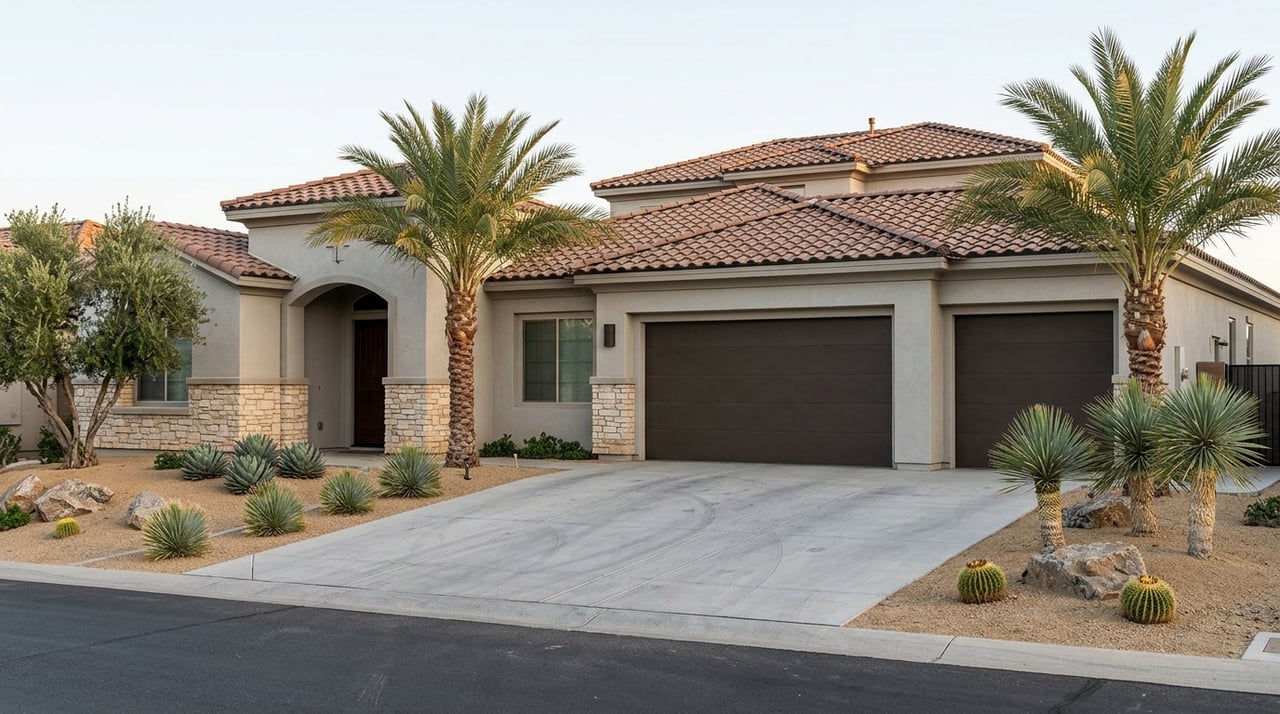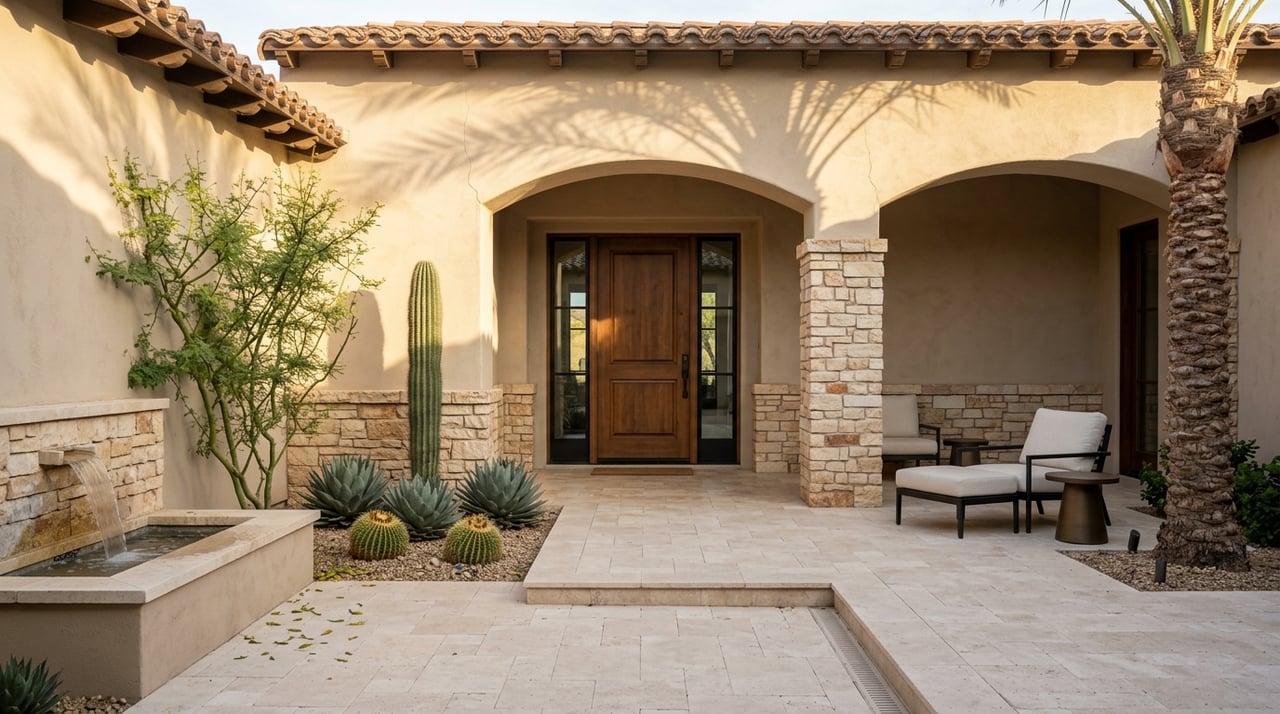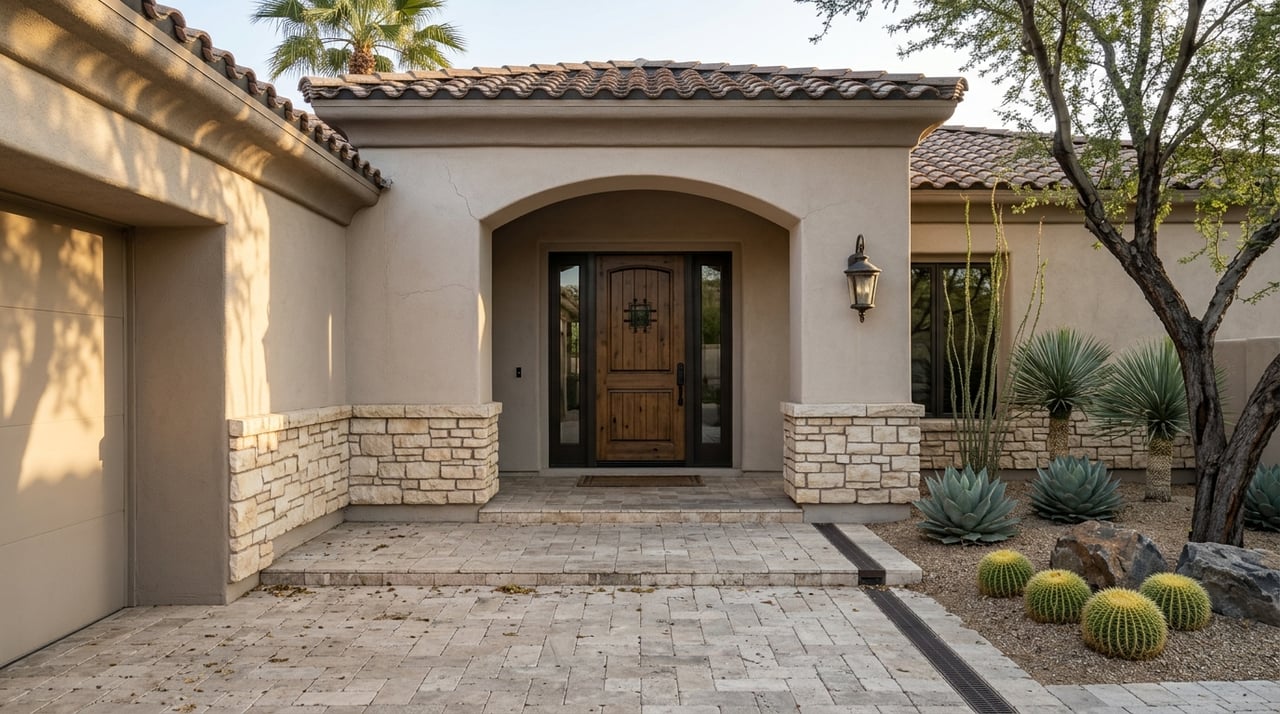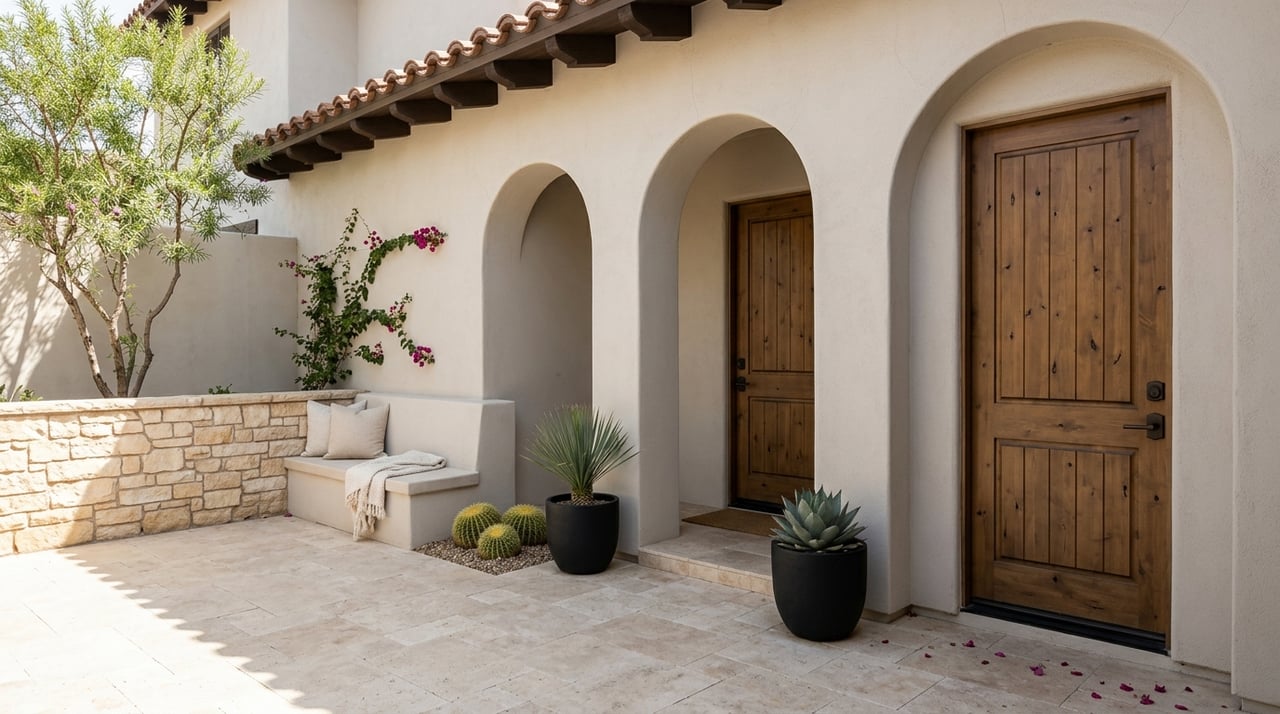
If you are looking at a Scottsdale luxury home through both a lifestyle and ownership lens, long-term rental potential may be part of the appeal. In this market, the conversation is not just about nightly demand or headline-grabbing returns. It is about whether a property fits the way people actually live, relocate, and stay in Scottsdale for 30 days or more. Let’s dive in.
Why Scottsdale Supports Luxury Rental Demand
Scottsdale has the kind of profile that naturally supports upscale housing demand. Recent U.S. Census estimates show a median household income of $110,886, per-capita income of $86,009, and a median owner-occupied home value of $789,800. The city’s estimated 2024 population was 246,170, and 26.4% of residents were age 65 or older, which can support both downsizing and second-home patterns.
The city also benefits from a strong visitor economy. Scottsdale reported 4.9 million domestic overnight visitors, 1.7 million international overnight visitors, and 5.1 million domestic day-trip visitors in 2024, with an annual economic impact of $3.7 billion. While many of those visitors stay in hotels or resorts, that tourism base helps explain why furnished and extended-stay demand can be part of the market story.
For luxury owners, that matters because Scottsdale is built around a resort-style lifestyle. Experience Scottsdale highlights 70-plus resorts and hotels, 50-plus resort and day spas, 200 area golf courses, 800 restaurants, 2,500 boutiques, shops, and malls, and about 330 days of sunshine each year. That combination gives many high-end homes a built-in lifestyle narrative that can appeal to long-term tenants.
Who May Rent a Luxury Home
In Scottsdale, the likely tenant pool for luxury long-term rentals often includes relocating executives, corporate transferees, and high-income households seeking convenience and a resort-style setting. That is an inference based on the city’s business mix, airport access, housing profile, and tourism economy rather than a formal tenant census. Still, it is a useful framework when you evaluate whether a home has broad rental appeal.
Scottsdale’s economic development plan points to industries such as corporate headquarters, IT services and software, financial and insurance services and technology, healthcare services and innovation, logistics management, and tourism. That helps support the idea that some renters are here for work, relocation, or transitional housing needs. In practice, that often favors homes that feel polished, flexible, and easy to enjoy from day one.
The Scottsdale Airpark adds another layer to that demand picture. The city says the Airpark includes more than 85 major companies and over 59,000 employees, while Scottsdale Airport itself is a significant economic asset. For some tenants, especially business-oriented renters, access to the Airpark and broader employment centers can be a meaningful advantage.
What Makes a Scottsdale Luxury Home More Rentable
Not every luxury property offers the same level of rental flexibility. In Scottsdale, homes that combine strong location, practical livability, and a clear lifestyle story tend to be easier to position.
Location Near Lifestyle Hubs
Homes near Old Town Scottsdale, Scottsdale Fashion Square, and Kierland often have immediate appeal because those areas offer recognizable amenities and convenience. Old Town includes more than 100 restaurants and nightlife options, two art museums, and more than 30 galleries. Scottsdale Fashion Square is described as the Southwest’s largest shopping destination with more than 200 premium retailers, while Kierland Commons is known for its mixed-use setting with shops and restaurants.
For a long-term tenant, that can translate into easier day-to-day living and a stronger sense of place. A home that is close to dining, shopping, and entertainment often feels more turnkey. In luxury leasing, convenience can be just as important as square footage.
Access to Outdoor Amenities
Scottsdale’s outdoor setting is a real part of the value proposition. The McDowell Sonoran Preserve is a permanently protected desert habitat with multi-use trails, and the city says it covers about one-third of Scottsdale’s land area. For many tenants, access to trails, golf, and scenic desert surroundings is not a bonus feature. It is central to why Scottsdale is attractive in the first place.
That means homes near preserve access, golf environments, or other outdoor amenities may stand out more easily. Buyers who are considering future rental use should pay attention to how the home connects with the surrounding lifestyle. In this market, that connection often matters.
Practical Fit for Executive Living
Luxury renters are often looking for ease, privacy, and comfort. Features like a thoughtful floor plan, quality finishes, strong indoor-outdoor living, and proximity to key destinations can help support longer stays. The best rental candidates are often the homes that feel effortless to live in, not just impressive to tour.
For homes near the Airpark, there is one more practical point to consider. Scottsdale Airport is a general aviation reliever facility with no scheduled commercial service, and the city operates a noise-abatement program. Depending on the property, that may be either a selling point for aviation access or a factor to weigh for tenants seeking a quieter residential feel.
The 30-Day Rule Matters
If you are weighing rental potential, one rule should be at the top of your list: 30 days. Scottsdale says its short-term or vacation rental license applies only to rentals of less than 30 days. If a home is leased for 30 days or longer, that city license is not required.
Arizona Department of Revenue guidance also defines residential rental as real property rented for 30 or more consecutive days for residential purposes. That makes the 30-day threshold an important dividing line between long-term residential use and short-term lodging treatment. For many luxury owners, that distinction can shape the entire ownership strategy.
This is one reason long-term rental potential can be attractive. A 30-plus-day approach may better align with owners who want flexibility without operating in the short-term lodging space. It can also fit buyers who plan to use the home personally and lease it during select periods.
Registration and Compliance Still Count
Even when a property is leased long term, compliance does not disappear. Maricopa County says residential rental property must be registered with the county assessor under Arizona law. Owners must keep that information current, and out-of-state owners must designate an Arizona statutory agent.
Scottsdale also notes that the county registry covers all rental types and does not distinguish between long-term and short-term or vacation rentals. In simple terms, a 30-plus-day lease may avoid the city short-term license requirement, but it does not remove the county registration requirement. That is an important detail for second-home owners and investors.
Tax treatment also changed beginning January 1, 2025. According to the Arizona Department of Revenue, residential rental property owners should no longer collect and remit city transaction privilege tax on income from lodging stays of 30 days or more, and there is currently no state or county tax on residential rentals. Short-term lodging under 30 days is treated differently.
Private Rules Can Limit Flexibility
A luxury home may look like an ideal rental on paper, but private restrictions still need review. Scottsdale notes that HOA rules and private deed restrictions may regulate or restrict vacation or short-term rentals even where state law limits certain city regulation based on rental use. For any property you are considering, CC&Rs and recorded deed restrictions deserve careful attention.
That point matters even more in luxury communities where neighborhood-specific rules may shape what is actually allowed. Before you market a home as a rental, you want clarity on the governing documents. Strong demand does not help if the private restrictions limit your options.
Guest houses and casitas also require close review. Scottsdale says a guest house may not be rented separately from the main residence, and the city distinguishes guest houses from accessory dwelling units, which are subject to different rules. If a home’s value story depends on flexible occupancy, that distinction should be understood early.
Habitability Is a Serious Arizona Issue
In Arizona, cooling is not just a comfort item. It is a habitability issue. In May 2025, the Arizona Attorney General warned landlords that they must provide a rental unit with a fully operating cooling system and other appliances necessary for safe occupancy.
For luxury owners, this means maintenance standards are not just about protecting the home’s image. They are part of meeting landlord obligations. In Scottsdale’s climate, an HVAC issue can become urgent quickly, so owners should plan for prompt repairs and strong property upkeep.
What This Means for Buyers and Owners
If you are buying a luxury home in Scottsdale and want long-term rental flexibility, the strongest opportunities are usually the homes that combine location, livability, and clean compliance. Homes near lifestyle anchors such as Old Town, Kierland, Fashion Square, golf, the preserve, or the Airpark may be easier to position because they connect daily convenience with Scottsdale’s broader appeal. That does not guarantee performance, but it gives the property a clearer story.
Just as important, you want to evaluate the home beyond aesthetics. The 30-day threshold, county registration, HOA review, guest house rules, and habitability obligations all shape what you can actually do with the property. In luxury real estate, flexibility often comes from choosing well at the start.
That is where local guidance matters. When you are balancing personal use, future leasing options, resale positioning, and privacy, a more tailored strategy can help you avoid expensive assumptions. In a market like Scottsdale, details drive outcomes.
Whether you are buying a second home, planning a relocation, or evaluating a luxury property with future leasing in mind, working with an advisor who understands both the lifestyle and the mechanics can make the process much smoother. For a discreet, tailored conversation about Scottsdale luxury homes and long-term rental positioning, connect with Laura Joyner.
FAQs
Can a Scottsdale luxury home be leased for 30 days or more without a city short-term rental license?
- Yes. Scottsdale says its short-term or vacation rental license applies only to rentals of less than 30 days.
Does a Scottsdale long-term rental still need county registration?
- Yes. Maricopa County requires residential rental property registration, and Scottsdale notes that the registry applies to all rental types.
What Scottsdale luxury home locations tend to have broad rental appeal?
- Homes near Old Town, Kierland, Scottsdale Fashion Square, golf areas, the McDowell Sonoran Preserve, or the Airpark may be easier to position because they connect lifestyle, convenience, and access.
Can a guest house in Scottsdale be rented separately from the main home?
- No. Scottsdale says a guest house may not be rented separately from the main residence.
Why does air conditioning matter so much for Scottsdale rental homes?
- Arizona has strong landlord habitability obligations, and the Arizona Attorney General has warned that landlords must provide a fully operating cooling system in a safe rental unit.